
Day 2 :
Keynote Forum
William C. Barber
DxRay Inc, Northridge, USA
Keynote: X-ray Detectors for Spectral Photon Counting in Radiology

Biography:
Dr. Barber completed his PhD in Physics in 2000 at the University of California Santa Cruz and postdoctoral studies at the University of California San Francisco School of Medicine in 2006. He is currently Vice President of Medical Imaging at DxRay Inc., and Development Engineer at Interon AS. He has published more than 34 papers in reputed journals including 5 invited paper and has been developing novel high flux photon counting x-ray imaging arrays for applications in radiology.
Abstract:
Energy integrating x-ray detectors are used in virtually all clinical x-ray systems including digital radiography (DR), digital mammography (DM), and computed tomography (CT). This is because of the high output count rate (OCR) required and detectors such as the energy dispersive photon counting x-ray detectors described in this presentation have been previously unobtainable. Photon counting detectors have the potential to significantly expand the diagnostic benefit of current clinical x-ray imaging applications provided they can achieve the required OCR while maintaining good energy resolution. Higher OCR is now obtainable due to the development of direct conversion semiconductor sensors connected to high throughput application specific integrated circuits (ASICs) which readout the fast signals from the sensors. In considering the development of photon counting detectors for clinical radiology sufficient performance in terms of the OCR and dynamic ranges, as well as the spatial and energy resolutions required for the specific application must be achieved. The sensors and ASICs used, as well as the methods for interconnecting the sensor pixels to the ASIC inputs, need to be designed with the ranges and resolutions required by the application kept in mind. Also modules need to be used which can be tiled with small dead space and preserved pixel pitch to achieve the required field of view (FOV). Sensor, ASIC, and interconnect design for application in clinical radiology will be discussed and clinical and preclinical results using CdTe, Si, and CdZnTe arrays for DR, DM, and CT respectively will be shown.
Keynote Forum
Robert Davidson
University of Canberra, Australia
Keynote: Contrast-Detail Measurements in CT – A New Image Quality Evaluation Methodology

Biography:
The developed automated assessment methodology of LCD detectability performance in CT has the potential to effectively evaluate the effects of protocol parameters on image quality of different CT scanners and systems. The new phantom needs further improvement and the software should be also improved to increase the sensitivity and accuracy of their performance. Wider range of different kVp, mAs, slice thicknesses and other protocol parameters and different CT scanners should be also examined in future studies to ensure that the results conform to theory in a wider range of variables. \\r\\nCT IQFinv values were obtained objectively by the software and subjectively from radiographers’ assessment. The results from radiographers and software showed that the new methodology of CT image quality assessment was sensitive to changing kVp, mAs and slice thicknesses. \\r\\nConclusion: The developed automated assessment methodology of LCD detectability performance in CT has the potential to effectively evaluate the effects of protocol parameters on image quality of different CT scanners and systems. The new phantom needs further improvement and the software should be also improved to increase the sensitivity and accuracy of their performance. Wider range of different kVp, mAs, slice thicknesses and other protocol parameters and different CT scanners should be also examined in future studies to ensure that the results conform to theory in a wider range of variables. \\r\\n
Abstract:
Rationale: The essential principle of maintaining lower radiation dose and optimum image quality is to understand the effects of exposure factors on image quality. The evaluation method of low contrast detail (LCD) detectability performance—particularly the automated approach—is a good choice for deep understanding the influences of exposure parameters on image quality. However, this method requires a certain specification of an LCD phantom and dedicated software that are not commercially available. The study aimed to develop a new methodology of evaluation and optimisation of computed tomography (CT) image quality based on LCD detectability performance.\\r\\nMethodology: A new phantom was designed to obtain CT images of LCD. The specifications of the phantom design were optimised to satisfy the requirement of the new evaluation methodology of LCD detectability performance and based on evaluation of the limitations of available phantoms and the standard recommendations of phantom manufacturing. The phantom was manufactured with the cooperation of Artinis Medical Systems (Zetten, The Netherlands). A dedicated software was developed with the cooperation of Artinis Medical Systems to objectively evaluate the obtained CT images of the new phantom. The LCD detectability performance of CT images were measured by calculating the CT inverse image quality figure (CT IQFinv). The new methodology was validated by determining the influences of exposure factors of kVp and mAs, slice thicknesses and objects location within the phantom on the image quality in terms of CT IQFinv measurements. The validation was based on software and radiographers’ scoring results. \\r\\nResults: A new method of calculating the IQFinv values for CT images, CT IQFinv, was developed based on the method of calculating the IQFinv in digital radiography (Equation 1). A further requirement was the linear interpolation of the Hounsfield Units of the phantom’s objects to account for both positive and negative contrast values. \\r\\n
Keynote Forum
Sarah S Knox
West Virginia University School of Public Health, USA
Keynote: Biophysical Signaling in Carcinogenesis: Implications for Therapeutics

Biography:
Sarah S. Knox, received her PhD and MS degrees from Stockholm University (S.U.), Sweden; and began her career as a Principal Investigator at the Karolinska Institute in Stockholm.\r\nAfter spending many years at the National Institutes of Health, Dr. Knox came to WVU where her research interests have focused on a systems biology approach to carcinogenesis, integrating gene x environment interactions and biophysical signaling. She has published widely, reviews for a broad range of medical and scientific journals, and been the recipient of multiple honors and awards.
Abstract:
The strong focus on genetics in carcinogenesis research has somewhat obscured the important role of the microenvironment in regulating gene expression and controlling mutations. The membranes of all cells and mitochondria contain multiple ion channels that create a voltage gradient across the cell membrane, and combined with gap junctional currents create endogenous bioelectrical fields. These fields have long range effects on physiological functioning. Extensive research into multiple aspects of this bioelectric signaling system indicates that they play an important role in development, cell cycle progression, differentiation, migration and apoptosis; and interact with epigenetic mechanisms to influence gene expression. Depolarization (a prerequisite for the epithelial mesenchymal transition initiating tumor formation) has also been experimentally demonstrated to initiate mutagenic cell behavior in the absence of any primary tumor or genetic mutation. The current ‘targeted’ treatment modalities aim to bioengineer specific parts of signaling systems (e.g. kinases), but even in the most successful cases, inevitably perturb other, unintended components, having unintended consequences. Preliminary work on limb regeneration in frogs (the Levin lab) has demonstrated that an appropriate bioelectric signal can activate an entire subroutine to initiate limb regeneration, without micromanaging individual components. Implications for cancer therapeutics will be discussed.
- Track-1: Latest imaging techniques
Track-2:Clinical physics and patient safety
Track-3:Biophysics & modellings
Session Introduction
Gad Shani
Ben Gurion University, Israel
Title: The Use of Beta-Gamma Source for HDR Brachytherapy

Biography:
Gad Shani has completed his PhD at Cornell University in 1970. He has been on the faculty of Ben Gurion University in Israel since then. He served as the head of the department of Nuclear Engineering and later as the head of the department of Biomedical Engineering. He has published more than 90 papers in referred journals and served on many university, national and international bodies.
Abstract:
Brachytherapy is generally done with photon emitting isotopes (I-125 for LDR and Ir-192 for HDR). Beta Emitters are rarely used. We have found that beta-gamma emitters have some important benefits as sources for brachytherapy. The main benefit is saving millions of Dollars in building expensive treatment rooms with remote control systems. The second benefit is that the medical personnel can stand by the patient while treatment is done, without radiation hazard. High dose to the tumor can be obtained, evenly distributed with very little radiation damage to surrounding organs Experimental work where Tm-170 HDR source (3 Ci) was used, to cure cancer on rats was carried out. It demonstrates the potential of using Tm-170 for medical brachytherapy. Tm-170 emits gamma ray of energy 84 keV and a number of x-ray in the range 50-60 keV. It also emits a large number of beta rays of E-max= 968 (80%) and E-max=883 keV (20%). An HDR source was made by sealing a thulium wire, 0.6 mm diameter 4 mm long, in titanium tubes and activated by neutrons. Experiments were done with Lewis rats, carrying tumor developed from implantation of CNS1 Rat Brain Tumor Astrocytoma cells, under the thigh skin. 75% of the treated rats were completely cured, 16.7% had their tumor delayed and 8.3% were not cured. The total dose delivered to the different rats was 30-60 Sv photon dose and 2.5x10**3-5x10**3 Sv beta dose at 2 mm from the source.
Cecilia Arsene
Alexandru Ioan Cuza†University of Iasi, Romania
Title: Chemical composition of aerosols, a fragile barrier between healing and wounding

Biography:
Cecilia Arsene graduated in chemistry from the “Alexandru Ioan Cuza†University of Iasi, Romania. In 2001 she received a PhD degree (Doktors der Naturwissenchaften, Dr. rer. nat.) at the Bergischen Universität Gesamthochschule Wuppertal, Germany. Within 2005-2007 she performed postdoctoral research at the University of Crete, Greece. From February 2015 she is a professor in chemistry at the “Alexandru Ioan Cuza†University of Iasi, Romania. Her research interests include kinetics and mechanisms of different oxidation processes, investigations of various gas-to-particle conversion processes, aerosols chemical composition and chemistry. She has published more than 40 research papers in peer reviewed international journals.
Abstract:
Aerosols are air suspended mixture of solid and liquid particles varying especially in size and chemical composition. For anthropogenic source related aerosols, origin is a third factor controlling their distribution. Coarse particles (PM10) are mainly of natural origin while fine (PM2.5) and ultrafine (PM0.1) particles derive from anthropogenic sources and from photochemical induced processes. Aerosols play an important role in climate change. Nowadays the interest towards aerosols is increasing because they influence visibility, contribute to acid rain, and have high potential to affect human health. Fine and ultrafine particles, often of very complex chemical composition (i.e. sulphates, nitrates, acids, metals, carbon loaded particles), are the most susceptible to be breathed most deeply in the lungs. However, the mechanisms by which ultrafine particles penetrate through pulmonary tissue and enter capillaries are still unknown. There are reliable measurements clearly showing that World Health Organization (WHO) recommendations in terms of atmospheric aerosols levels are overwhelming for certain periods in some world’s area. In specific area most probably the high aerosol levels are probably linked to the high rate of various pulmonary diseases. However, in medical practical applications, the efficiency of aerosols and nanoparticles in prevention, care and cardio-respiratory function improvement is believed to depend on aerosols life time, abundance and shape, which should be very strictly controlled. There are reports showing that selected halides might influence the generation mechanism of saline aerosols. These findings might have potential implications in the optimization processes of particles generation by dynamic halochambers used in various medical applications.
Nicolas Pourel
Institut Sainte-Catherine, France
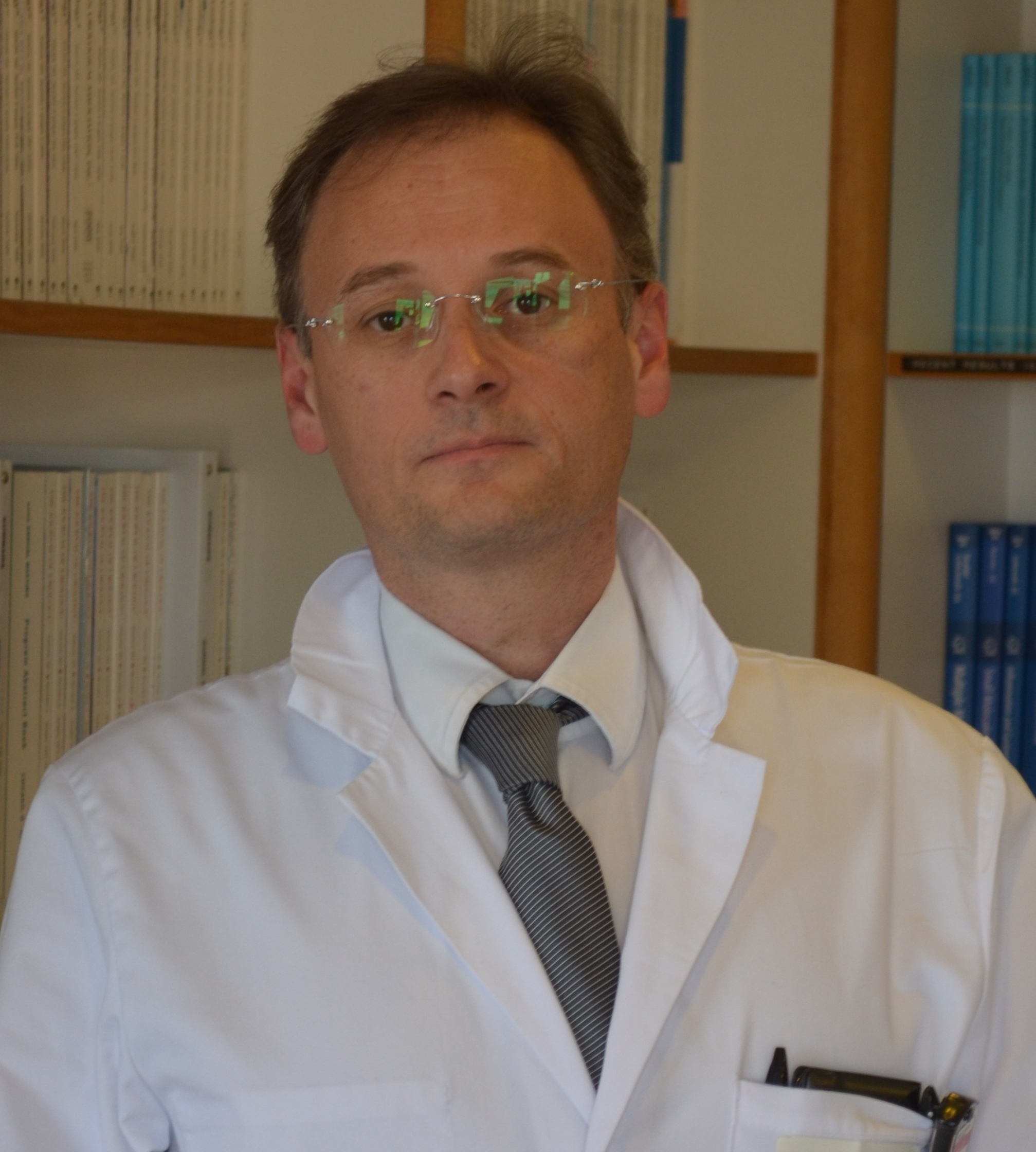
Title: Patient information duties in Radiation Oncology
Biography:
Nicolas Pourel has completed his degree (MD) as a Radiation Oncologist in 1999 at Nancy Science University (Faculty of Medicine) and a Diplome d’Etudes Approfondies (DEA) in Epidemiology at Nancy School of Public Health in 2001. He is the head of radiation oncology department at Institut Sainte-Catherine, particularly involved in Risk management. He is also a member of the board of Societe Francaise de Radiotherapie Oncologique (SFRO) and the Association de Formation Continue en Oncologie Radiotherapique (AFCOR). He is a teacher for ESTRO school on Comprehensive Quality Management in Radiotherapy and also for the IAEA on the same topic.
Abstract:
Patient information duties are a basic task of Radiation Oncologists in their daily practice. This workshop will illustrate all the aspects of legal obligations taking the context of French Law as an example : the basic principles of the Law, who has to bring evidence of information and through which support in case of litigation, who is supposed to inform the patient, the principles of the individual interview between him/her and his/her physician, the documents that ought to be given to illustrate the practical aspects of treatment and its side effects, the value of written informed consent and when it is mandatory (clinical trial) are to be illustrated here. We will try to focus particularly on how the first consultation of the patient (aka, ‘announcement consultation’) ought to be structured, knowing that, in most cases, most of the information is to be given orally but the key messages of that interview have to be simple, understandable and loyal, especially concerning the acute side effects and late sequellae of radiotherapy. A special emphasis will also be put on information documents that are to be given to the patient (basically, personalized treatment plan, disease specific and/or treatment-specific brochures, and, in some cases, a formal written consent form), especially in order to give a fair, comprehensive and clear information on the benefits and the risk of radiotherapy that has to be delivered.
Geoffrey Mitchell
Portugal and the Royal Berkshire NHS Foundation Trust, UK
Title: The opportunities for Direct Digital Manufacturing in Medicine

Biography:
Geoffrey Mitchell completed his PhD in Materials Physics working at Cambridge. He undertook postdoctoral studies at Hokkaido University and subsequently moved to the University of Reading UK where he eventually became Professor of Polymer Physics. He is currently Vice-Director of the Centre for Rapid and Sustainable Product Development, a leader in the development of Direct Digital Manufacturing especially in the application of such technology to medicine. He has published more than 300 papers in reputed journals and 4 books.
Abstract:
Direct Digital Manufacturing is a set of technologies which are set to revoluntinze manufacturing. Direct Digital Manufacturing is able to directly produce an object from a digital definition without the use of moulds or other specific tooling. As such it is particularly suited to objects or process which require mass customisation. This is clearly has huge potential in the field of medicine and healthcare for which personalisation is a critical requirement for many devices. Direct Digital Manufacturing involve additive manufacturing procedures which include 3d printing, stereolithography and selective laser melting. We review these technologies with regard to their potential for medical applications and we consider the changing landscape of direct digital manufacturing as it develops the capacity for functionally graded materials, functional materials and the move from design by form to design by function. We illustrate the possibilities using current projects from the broad based portfolio of work on direct digital manufacturing currently underway at CDRSP. A major use of direct digital manufacturing is the generation of scaffolds for tissue engineering. However, the scope for medical applications of direct digital manufacturing is much wider than that and we speculate on the future trends.
Julianna C. Simon
University of Washington, USA
Title: Determination of porcine renal injury thresholds for therapeutic ultrasound

Biography:
Julianna Simon completed her PhD in 2013 from the University of Washington. She is currently working as a National Space Biomedical Research Institute First Award Postdoctoral Fellow at the University of Washington. She has co-authored 12 papers.
Abstract:
The global prevalence of kidney stones is rising, and nearly half of patients that undergo surgical intervention experience complications associated with residual stone fragments that are not passed. Ultrasonic propulsion is a new therapeutic technique to non-invasively clear stones, which, in a clinical simulation, proved effective at repositioning kidney stones in pigs. The goal of this study was to establish a range of intensities under which stones could be repositioned without injury. A 2-MHz annular array was placed on the surface of in vivo porcine kidneys and focused in the proximal parenchyma. Individual exposures of 10-minute duration were comprised of duty cycles from 0-100% and spatial peak pulse-averaged intensities up to 26 kW/cm2 (derated through 1 cm of kidney tissue). The kidneys were histologically evaluated for injury by up to three independent experts blinded to the exposure conditions. The injury threshold for 100-μs ultrasound bursts repeated with a 3.3% duty cycle was 16.6 kW/cm2 (derated). As the first generation prototype to reposition kidney stones utilized the same pulsing parameters with a maximum derated intensity of 2.4 kW/cm2, the technique was shown to be safe. The injury threshold for exposures at 100% duty cycle was 0.5 kW/cm2 (derated). This study showed that a range exists above diagnostic imaging levels and below tissue injury levels for which ultrasound therapies can be safely developed. [Work supported by the National Space Biomedical Research Institute through NASA NCC 9-58 and NIH grants DK043881 and DK092197].
Ekaterina Saukko
Turku University Hospital, Finland
Title: The establishment of local DRLs for ERCP – a practical tool for the optimization of patient radiation doses and for quality assurance management

Biography:
Ekaterina Saukko has completed her Master’s degree in 2014 at the University of Oulu in the Finland and applied for PhD program to the University of Oulu Graduate School in 2015. She is working as a research coordinator in The Medical Imaging Centre of Southwest Finland at Turku University Hospital, Finland. Her research interests include interventional radiology, radiography, fluoroscopy, ERCP, radiation protection, pediatric imaging and evidence-based radiography. She has published a scientific article on dosimetry in interventional radiology and participated in international conferences with oral presentation and posters.
Abstract:
Endoscopic retrograde cholangiopancreatography (ERCP) has the potential for high patient dose, which is why attention is required regarding radiation protection. The first step towards patient dose optimization is to establish the diagnostic reference levels (DRLs) for ERCP. The establishment of DRLs might be beneficial in view of the large variation of dose area product (DAP) reported during ERCP. If national DRLs are not available, it is recommended that local ones be established and compared with more current patient dose levels regularly. Consequently, there was an essential need to establish local DRLs for ERCP in our hospital. A total of 105 patient radiation doses in ERCP were recorded during a 4-month period in 2010. For each procedure, DAP, fluoroscopy time, cumulative skin dose and number of images were collected. Patient body characteristics, such as age, sex, height, weight and body mass index (BMI) were registered as well. DRLs were set at the point of 75th percentile for both DAP and fluoroscopy time. According to the results, the 75th percentiles of DAP was 2.40 Gy∙cm2 and fluoroscopy time 2.13 min, respectively. In 2015, the local DRLs for ERCP were reviewed by collecting the similar data of 20 procedures. The effect on the radiation dose level requires further studies. The collection of such patient exposure data will increase awareness of the level of exposure involved in ERCP and the settled local DRLs could serve as a baseline for further studies concerning patient dose optimization with regard to avoiding and minimizing unnecessary radiation risks.
Jukka Järvinen
Turku University Hospital, Finland
Title: KARPO – the study of radiation doses in cardiological interventional procedures

Biography:
Jukka Järvinen is a Lic. Phil. doing his PhD in medical physics in University of Turku. He works as medical physicist in Turku Heart Centre and The Medical Imaging Centre of Southwest Finland. His research interests lie in interventional radiology, radiation protection and evidence based radiography. He has authored one and co-authored several scientific papers and participated in international conferences by oral presentations and posters.
Abstract:
Long cardiological procedures pose radiation risk to both patients and performing staff. In literature, the radiation dose to the patient is presented mainly without taking into consideration difficulty level of the procedure. The purpose of KARPO is to examine dose levels involved in cardiological interventional procedures taking into account their levels of difficulty. Patient and staff dose levels are collected from eight university and central hospitals in Finland. Patient dose levels focus on DAP and air Kerma given by the equipment and skin dose measurements carried out with gafchromic films. KARPO examines dose correlations of multiple factors related to the procedures. The data collected in KARPO will also be used in determining new DRL’s in Finland and two of the hospitals participate in EURALOC project for eye dose dosimetry in cardiological procedures. Results The current data includes PTCA, pacemaker installation, TAVI and electrophysiological procedures from 5 different hospitals in Finland. Current status and preliminary results of the research will be presented. Conclusion The preliminary results indicate clear differences based on level of difficulty.
Julianna C. Simon
University of Washington, Seattle, USA
Title: Investigation into the etiology of the color-Doppler ultrasound twinkling artifact for kidney stone detection

Biography:
Julianna Simon completed her PhD in 2013 from the University of Washington. She is currently working as a National Space Biomedical Research Institute First Award Postdoctoral Fellow at the University of Washington. She has co-authored 12 papers.
Abstract:
The “twinkling artifact,†a rapid color change that highlights hard objects in color- Doppler ultrasound, has the potential to improve kidney stone detection; however, its inconsistent appearance has limited its clinical use. Recently published work supports that crevice micro-bubbles on the kidney stone surface cause twinkling [Lu et al. Ultrasound Med Biol. (2013)]; the work has been challenged because bubbles have not been observed. We used high-magnification, high-speed photography to confirm the presence of bubbles on the kidney stone surface in addition to using a programmable Verasonics ultrasound engine and a custombuilt pressure chamber to analyze the effects of ambient pressure on twinkling. The overpressure threshold to diminish twinkling was found to be dependent on a variety of factors, including the stability of twinkling on the stone, the gas content of the liquid and stone, and the number of cycles in the Doppler pulse. In stable twinkling locations, the artifact was found to disappear at pressures as low as 3 atm (absolute); in other locations, twinkling was only diminished when the pressure exceeded 8 atm. When stones were exposed to hypobaric conditions of 0.2 atm, the twinkling amplitude was found to increase. Upon high-speed photography during color-Doppler ultrasound, a bubble with a maximum diameter of 30 μm was found to oscillate. Results support the crevice bubble hypothesis to describe the origin of the twinkling artifact. [Work supported by the National Space Biomedical Research Institute through NASA NCC 9-58 and NIH grants DK043881 and DK092197].
Javier RodrÃguez
Universidad el Bosque, Colombia.
Title: CLINICAL APPLICATION TO ARRHYTHMIC DYNAMIC OF ENTROPY PROPORTION


Biography:
Dr. Javier Rodriguez is a doctor at the Universidad Nacional de Colombia, founder and director of Insight Group, created in 2001. He has 76 domestic and international original publications, making characterizations, diagnoses and predictions in different areas of medicine, such as fetal and adult cardiology, infectious diseases, immunology, molecular biology, epidemic prediction, cell morphometry and psychology, as well as works in physics. His research is based on the development of predictions from theories and laws of theoretical physics, applicable to each particular case, avoiding the empirical method of trial and error. It has been awarded as one of the 2000 most outstanding researchers century, one of the "Top 100 Health Professionals" and "Man of the Year 2011" by the International Biographical Centre of Cambridge. In 2010 he was awarded in the concourse of Academia Nacional De Medicina-Abbott in the area of Clinical Sciences by a mathematical-physicist diagnostic of cardiac dynamics, with which is possible to make predictions of clinical application. His work has been presented at several international conferences, including the 7th International Meeting of Acute Cardiac Care, 2011, the Innovations in Cardiovascular Interventions - ICI meeting-2012 and the 61st Annual Conference of the Israel Heart Society in 2014, held at the Aviv Israel and the 3rd World Congress on Cancer Science & Therapy - 2013, held in San Francisco. Currently he is a doctor seconded to the Country Clinic and is conducting research with Universidad del Bosque, such as the present presentation.
Abstract:
Introduction: A new diagnostic methodology based on probability and entropy proportions was developed. This methodology has been successful on cardiac dynamic evaluation. Objectives: To apply the diagnostic methodology to the arrhythmic dynamic, evaluating the evolution from normality to acute disease. Method: 75 holter were studied; these records had clinical diagnosis of normality and stable and unstable cardiac arrhythmia. An attractor for each dynamics is generated from the values, obtained each hour, of maximum and minimum frequency and number of beats per minute. From the calculation of the proportions of entropy, the status of each dynamic was mathematically evaluated; showing how close or far is of normal dynamics. The sensibity, specificity and Kappa coefficient were calculated. Results: The normal cases had values into the expected limits. In the same way the cases with stable and unstable cardiac arrhythmia had values for the proportions entropy into disease limits. values of sensibility and specificity of the new method compared with the conventional diagnosis were 100% and the Kappa coefficient value was 1. Conclusions: The results showed the clinical applicability of the diagnostic method, it allowed the quantitative evaluation of each particular dynamics, showing how far is each arrhythmic dynamics of normality. Key words: Entropy, Probability, holter, heart disease, arrhythmia, cardiac dynamics.
Natassa Pippa
National and Kapodistrian University of Athens, Greece
Title: Professor Costas Demetzos: His contribution to bridge the gap between the Biophysics and Pharmaceutical Nanotechnology

Biography:
Natassa Pippa was born in 1987. She has completed her PhD from Faculty of Pharmacy, National and Kapodistrian University of Athens, under the guidance of the expert of Pharmaceutical Nanotechnology, Prof. Costas Demetzos. During her PhD, she participated in the Research Programme “NANOMACRO: Functional Self-assembled Nanostructures from Block Copolymers and Proteins) in Theoretical and Physical Chemistry Institute, National Hellenic Research Foundation. She has published more than 30 peer –review papers and 2 chapters in Books. She has been selected as speaker in National and International Conferences and presented more than 35 posters. She has been awarded in three Congresses for her oral and poster presentations.
Abstract:
Fractal analysis can be an attractive and alternative tool for characterizing the morphology of nanoparticles [1-3]. From the experimental point of view, determined fractal dimension comprehensively illustrates the self-assembly and the morphological complexity of drug nanocarriers. In recent literature, it is well established that the regulatory considerations are of great importance aiming at providing proof, concerning not only the design and preparation protocol of drug delivery systems, but also the final formulation’s physicochemical and morphological characteristics, especially in the pharmaceutical nanotechnology’s area. Additionally, fractal dimension plays a key role in the elucidation of morphological characteristics, while size and/or size distribution of drug nanocarriers did not change by changing the colloidal parameters, like temperature and concentration. In coming years, the above approach could be a useful tool for the development of innovative drug nanocarriers for drug or gene delivery with complete knowledge of their structural and morphological characteristics [4-5]. In conclusion, on the ubiquitous presence of fractals and fractal concepts in Pharmaceutical Sciences, the “pharmaceutical fractalomics†a term which can be correlated with other –omics in pharmaceutics can be considered as an alternative path in the field of novel pharmaceutics. Ref.: [1] Pippa, N., Kaditi, E., Pispas S., Demetzos C., (2013) Soft Matter, 9, 4073-482. [2] Pippa, N., Kaditi, E., Pispas S., Demetzos C., (2013) J. Nanopart. Res., 15,1685.[3] Pippa, N., Merkouraki, M., Pispas S., Demetzos C., (2013) Int. J. Pharm. 450(1-2),1-10. [4] Demetzos, C., Pippa, N., (2014). Int. J. Pharm. 473(1-2):213-8. [5] Pippa N., Dokoumetzidis, A., Demetzos, C., Macheras, P. (2014). Int. J. Pharm. 456(1-2):340-52.
- Track-8:New technologies in cancer treatment
Track-9:Surgery through image guided therapy
Track-10:Biosensors
Track-11:Signal processing in Biomaterials
Session Introduction
Xianfeng Fan
The University of Edinburgh, UK
Title: Separation of Cu Radioisotopes from a Nickel Target Using Cation-exchange Chromatography

Biography:
Dr Xianfeng Fan is a senior lecturer and leads a research group with 8 members in the Institute for Materials and Processes, School of Engineering at The University of Edinburgh. He obtained a PhD degree from the University of Birmingham and then worked a Research Fellow in the Birmingham Positron Imaging Centre for 8 years. Dr Fan previously worked on colloidal and interfacial phenomena, materials separation, positron emission particle tracking and powder technology. He has authored or co-authored over 160 journal and conference publications.
Abstract:
Copper radioisotopes have been used in nuclear medicine and in positron emission particle tracking. The separation of copper radioisotopes from a nickel target has been conducted through solvent extraction or anion exchange. However, anion exchange methods consume a large amount of chemicals, and after separation the residual nickel in the radioactive products is at quite a high level which may be harmful to human health. A commonly held opinion is that cationic exchangers have very similar thermodynamic complexation constants for metallic ions with identical charges, therefore making the separation very difficult, or impossible. Our research indicates that an effective separation can be achieved by ammonium modified Chelex-100. The selectivity of Chelex-100 for Cu and Ni ions not only depends on its thermodynamic complexation constant, but also markedly varies with the concentration of mobile H+, the structure and arrangement of the polymer chains. Through controlling the intermolecular interaction of the polymer bed, over 99.9% of Ni was stripped out, but 100% of copper radioisotopes remained in the separation column. The separation is much more effective, simple and economical in comparison with the common method of anion exchange. This significant improvement will make subsequent labelling much easier, and reduce the uptake of Ni and chelating agents by patients, therefore both the stress on human body associated with clearing the chemicals from blood and tissue, and the risk of various types of acute and chronic disorder due to exposure to Ni.
Fridon Shubitidze
Dartmouth College, USA.
Title: Magnetic Nano Particle hyperthermia for deep sitting cancers therapy

Biography:
Fridon Shubitidze has completed his PhD in radio-physics at the age of 26 years from Tbilisi State University and postdoctoral studies from National Technical University of Athens. He is an associate professor at Thayer School of Engineering at Dartmouth College, leader of the electromagnetic sensing group, a premier in geophysical and biomedical applications, and the recipient of the Munitions Response Project of the Year Award given by the DoD Strategic Environmental Research and Development Program in 2011 for developing AMF technologies for subsurface targets detection and classification. He has published more than 200 papers in reputed journals and conference proceeding.
Abstract:
Magnetic nano-particle hyperthermia (MNPH) is minimally invasive thermal technique for cancer therapy. One of main characteristics of MNPs for clinical hyperthermia is a high specific absorption rate (SAR), which depends on the applied magnetic field frequency, strength and MNP properties. During MNPH therapy a coil produces alternating electric and magnetic fields. The alternating magnetic field (AMF) penetrates inside tissue and activates MNPs in cancerous tissues, where else the alternating electric field produce undesirable eddy currents within normal tissue. Since, the AMF from a coil decays rapidly (as 1/R2); therefore, to use magnetic hyperthermia for deep tumors, such as pancreatic, prostate, rectum and etc cancers, a high-magnitude transmitter current is required in the coil. High transmitter currents also produce high electric fields E and eddy currents J within normal tissue that cause non-specific heating (J.E), which limits the applicability of MNP hyperthermia for deep sitting cancers. To overcome this problem, recently we have develop next generation Dartmouth MNP, with high SAR at low AMF strength, and a new device for guiding and delivering transmitted magnetic fields to deep tumors and for minimizing undesirable eddy currents heating in normal tissues. In this presentation, first the system’s AMF delivery and focusing performance will be described and illustrated using both modelled and measured data, then temperature distributions in a conducting phantom with and without the flexible magnetic device will be shown, and finally, applicability of the device for clinically MNPH therapy will be demonstrated in combination with the next generation MNP.

Biography:
Double major in Material Science Engineering (Universidade Federal de São Carlos - Brasil - 1981) and Physics (Universidade de São Paulo - Brasil - 1981), Is PhD from MIT (1987) and Livre - Docente (1989) and Full Professor by University of São Paulo (1993). Has his activities based on two pillars: laser cooling and trapping of neutral atoms and applications of optics and biophotonics. Has published over 350 papers in international journals with over 2500 citations. Has supervised more than 50 graduate students.
Abstract:
The fundamental questions to be answered with our Biophotonics studies are: How to approach photodynamic therapy concerning dosimetry and tumor cells selectivity? This aspect shall greatly contribute to the clinical protocols. What must be done to understand the processes related to PDT that determines the amount/volume of tissue that become necrotic? Is photodynamic therapy using two-photon excitation practicable? How should wide-field and fluorescence imaging techniques be combines for better tumor diagnosis? How much influence light should exert into cells metabolic processes so that photonic techniques may contribute to metabolism reorganization? How to deal with melanoma cells intrinsic characteristics to improve its detection and treatment? How to broaden photodynamic approaches for microorganisms? How to design new photosensitizers with more specific action? Moreover, we plan to carry on clinical studies in cancer and tumor optical diagnosis, as well as new clinical protocols for the treatment of lesions and HPV (human papilloma virus) infection, and to develop and implement optical methods for detection of several tissue abnormalities. We are representing one of scientific center in Brazil with know-how in establishment of clinical partnership with several institutions, incorporating new technologies for healthcare sciences.
Akbar Gharbali
Urmia University of Medical Science, Iran
Title: Automatic texture analysis of the breast cancers by Ultrasound imaging
Biography:
Abstract:
Introduction: Breast cancer is a major public health problem in women from developed and developing countries. Early detection and treatment of breast cancer increase the cure rate and provide optimal treatment. In regularly examination, ultrasound (US) is a more convenient and safer tool than mammography. Objective: To explore diagnostic potential of computer aided texture analysis (TA) methods in differentiation benign and malignant breast cancers by ultrasound imaging and to compare the discrimination performance of the applied texture analysis methods. Materials and methods. Database consisted of ultrasound images of 91 breast patients including 35 benign and 56 malignant tumors. Two slices per patient was loaded in Mazda Software for automatic texture analysis. Regions of interests (ROIs) were defined within the abnormal part of the breast ultrasound images. Gray levels within a ROI normalized according to three normalization schemes: N1: default or original gray levels, N2: +/- 3 Sigma or dynamic intensity limited to µ+/- 3σ, and N3: present intensity limited to 1% - 99%. Up to 270 multi scale texture features parameters per ROIs per each normalization schemes were computed from well known statistical methods employed in Mazda software. From the statistical point of view, all calculated texture features parameters are not useful for texture analysis. So, the features based on maximum Fisher coefficient and minimum probability of classification error and average correlation coefficients (POE+ACC) eliminated to 10 best and most effective features per normalization schemes. We analyze this feature under two standardization states (standard (S) and nonstandard (NS)) with Principle Component Analysis (PCA), Linear Discriminant Analysis (LDA) and Non Linear Discriminant Analysis (NDA). The 1NN classifier was performed to distinguish between benign and malignant tumors. The confusion matrix and Receiver operating characteristic (ROC) curve analysis were used for formulation of more reliable criteria of the performance of employed texture analysis methods. classification method performance. Results. Significant separation between benign and malignant breast tumors was by standard feature parameters extracted by Fisher coefficient under default and 3σ normalization schemes via NDA with accuracy of 97.8%, sensitivity of 94.28%, specificity of 85.5% and the area under the ROC curve value of 0.97. While the performance of the PCA and LDA was good and more or less the same with no significant statistical differences. Conclusions: It is shown that automatic texture analysis can effectively discriminated benign and malignant breast cancers and thus has the potential to increase confidence of radiologist in correctly distinguishing US images of the breast with no need to other radiological and or pathological examination. Key words. Ultrasound; breast tumors; texture analysis; PCA; NDA; LDA; 1-NN classifier
Xianfeng Fan
The University of Edinburgh, UK
Title: Separation of Cu Radioisotopes from a Nickel Target Using Cation-exchange Chromatography

Biography:
Dr Xianfeng Fan is a senior lecturer and leads a research group with 8 members in the Institute for Materials and Processes, School of Engineering at The University of Edinburgh. He obtained a PhD degree from the University of Birmingham and then worked a Research Fellow in the Birmingham Positron Imaging Centre for 8 years. Dr Fan previously worked on colloidal and interfacial phenomena, materials separation, positron emission particle tracking and powder technology. He has authored or co-authored over 160 journal and conference publications.
Abstract:
Copper radioisotopes have been used in nuclear medicine and in positron emission particle tracking. The separation of copper radioisotopes from a nickel target has been conducted through solvent extraction or anion exchange. However, anion exchange methods consume a large amount of chemicals, and after separation the residual nickel in the radioactive products is at quite a high level which may be harmful to human health. A commonly held opinion is that cationic exchangers have very similar thermodynamic complexation constants for metallic ions with identical charges, therefore making the separation very difficult, or impossible. Our research indicates that an effective separation can be achieved by ammonium modified Chelex-100. The selectivity of Chelex-100 for Cu and Ni ions not only depends on its thermodynamic complexation constant, but also markedly varies with the concentration of mobile H+, the structure and arrangement of the polymer chains. Through controlling the intermolecular interaction of the polymer bed, over 99.9% of Ni was stripped out, but 100% of copper radioisotopes remained in the separation column. The separation is much more effective, simple and economical in comparison with the common method of anion exchange. This significant improvement will make subsequent labelling much easier, and reduce the uptake of Ni and chelating agents by patients, therefore both the stress on human body associated with clearing the chemicals from blood and tissue, and the risk of various types of acute and chronic disorder due to exposure to Ni.
Amir S H Rozatian
University of Isfahan, Iran
Title: Simulation of Ultrasoft X-rays Induced DNA Damage Using Geant4

Biography:
Amir S. H. Rozatian: Assistant Professor of Condensed Matter Physics, Department of Physics, University of Isfahan, Hezar Jarib Street, Isfahan 81746-73441, Iran. Marjan Tajik: PhD Student, Department of Physics, University of Isfahan, Hezar Jarib Street, Isfahan 81746-73441, Iran. Farid Semsarha: Assistant Professor of Physics, Radiation Applications Research School, Nuclear Science and Technology Institute, P. O. Box: 11365-3486, Tehran, Iran.
Abstract:
Human awareness of ionizing radiations and their harmful effects on biological materials has a 100-year history starting with the discovery of X-rays. Radiation induced DNA damage such as single strand break (SSB), double strand break (DSB), base damage (BD), DNA–DNA and DNA–protein cross link can disrupt normal biological processes and cause chromosome aberrations, mutations or cell death. In this study, the total yields of simple SSB and DSB induced by electrons with different energies associated with the energies of the ultrasoft X-rays, between 0.28 and 4.55 keV, have been calculated in Charlton and Humm volume model using the Geant4-DNA extension of the Geant4 toolkit. A comparison between the obtained results and other experimental and theoretical data shows the suitability of this simple model of DNA for calculating the total damage with the advantages of reducing the complexity of the simulations and decreasing the computational time. Also, it has been found that in the low energy region (under 5 keV), the yield of the total SSB remains nearly independent of the initial electron energy while the DSB yield increases with decreasing energy. Moreover, a direct dependency between DSB induction, RBE value and the mean lineal energy, as a microdosimetry quantity, has been observed. Meanwhile, it has revealed that the threshold energy of 10.79 eV to calculate the total strand breaks yields results in a good agreement with the theoretical and experimental data while the other threshold energies such as 12.61 eV or 17.5 eV result in significant difference.
Mohammad A.Qbeitah
Istanbul University, Turkey
Title: Bone marrow dosimetry and lesion absorbed dose determination in distal metastatic differentiated thyroid cancer

Biography:
Mohammad has completed his BSc in Alquds university / Medical Imaging 2010, and MSc in Nuclear Medicine and targeted therapy from Istanbul University 2015. In the same year he started to be PhD Candidate in Istanbul University / School of Medicine/Nuclear Medicine Dept. He has scientific interests in the field of internal therapy dosimetry and Molecular & Multimodality Imaging, dose- limiting tissues Protection during therapy and clinical trials using radioactive tracers .
Abstract:
Aim: Dosimetry is an alternative strategy to the traditional fixed radioactive iodine treatment in metatstatic thyroid cancer therapy.Pretherapy dosimetry is increasingly recommended to calculated the maximum tolerable Activity for each patient in order to deliver absorbed dose not exceed 2 Gy for the red bone marrow and meanwhile optimization the response level of desired targeted lesions. Materials and Methods: 14 patients (9 female ,5 Male and Mean age 44±15.84 y ,TSH 65±43 µIU/ml,HTC 38.43±3.81 ng/ml, 5 patients were prepared by rhTSH; 9 patients by thyroid withdrawal) suffering from metastatic differentiated thyroid cancer were submitted to pretherapy maximum safe activity and lesion absorbed dose protocol to establish successive therapy using OLINDA/EXM Software and five different dosimetry Methods for comparison purposes. Dual head scintillation camera was utilized to measure whole body and lesions activities by drawing region of intrest adjacent to whole body and lesion contours and performing attenuation correction Besides to Blood samples collection which were measured in well –gama counter at several time points 2.6.24.48.72.96.144hours after oral administration of Radioiodine tracer (2mCi). To verify normal back ground count rate, 1 minute acquistion was performed before each whole body scan and subtracted from the related scan’s count.The neccesssery data were collected and modified according to the parameters of the dosimetry methods adopted by OLINDA/EXM, Wessels et al,Traino et al,Siegel et al,Shen et al ,and Keizer et al . Results: According to OLINDA/EXM software mean absorbed dose from tracer activity was 3.11±1.76mGy/mCi(for thyroid withdrawal 4.02±2.06 mGy/mCi ; and rTSH patients was 1.96±0.44) ,Wessels et al was 3.27±1.9mGy/mCi,Traino et al was 2.68±1.53 mGy/mCi,Kiezure et al was 2.2±1.16mGy/mCi,Siegal et al was 2.56±1.86 mGy/mCi , and Shen et al was 4.05±3.4 mGy/mCi. mean absorbed dose to distal metastatic lesions was 3.4±4.5 Gy/mCi. The deviation between the results of OLINDA/EXM software and the other dosimetry methods was variable 5.1%, -13.8%, 30%, -17%, and -29%. Discussion: Mean absorbed dose of bone marrow in Our study using OLINDA/EXM as reference for thyroid withdrawal patients was (4.02±2.06 mGy/mCi) similar to findings reported by Hänscheid H et al inwhich Aaverage bone-marrow doses were determined as average 4.2mGy/mCi (3.2 – 8.5 mGy/mCi) .For the patients with euthyrodisim (using rTSH) the absorbed dose was significantly lower ( mean: 1.96±0.44) And also within a range reported by other publishers (2.2-7.2mGy/mCi) for euthyroid .Chiese et al reported bone marrow absorbed dose using blood –based dosimetry 1.7-6.2 mGy/mCi .in this study four patients were prepared by exogemous TSH and absorbed dose of bone marrow was (1.59-7.26mGy/mCi) which is close to Keizer et al findings (2.2-7.2mGy/mCi) for euthyroid patients dosimetry . Conclusion Our study demonstrated that there is no statistically significant difference between the results reported by Wessels et al ,Shen et al and OLINDA/EXM for estimating red bone marrow dose .The amount of activity calculated to deliver 80 Gy for some distant metastatic lesion was< 250 mCi which represent the traditional maximum fixed dose.

Biography:
Marco Dominietto is a medical physicist who completed his PhD in Biomedical Engineering at the ETH (Zurich, Switzerland). He moved to basic oncology research after five years of clinical experience. His research focuses on tumor development and images analysis both in animal models and human beings. He actually works at the Biomaterial Science Center at the University of Basel where he also develops energy harvesting strategies from human body to power artificial muscles.
Abstract:
Cancer is a multifactorial and heterogeneous disease. The corresponding complexity appears at multiple levels, from molecular to physiological behavior, and determine the different evolution of the same disease in different patients or the different response to the same therapy. Such complexity can be characterized by a set of quantitative phenotypic observables recorded in time-space resolved dimensions by using multimodal imaging approaches. These observables, called here features, measure single variables that account for single physiological processes both in tumor and hosting tissue, e.g. tumor oxygenation, vascular permeability, glucose consumption, etc. Clearly, in tumor progression all these features interact together and determine its evolution. The integration of all these information in a comprehensive framework is therefore one of the key to understand cancer disease in its entirety. Complex networks offer in this regard an ideal solution for the integration of multiple information layers at different space and time scales. Single parts of the tumor that correspond to voxel volumes on imaging readouts, constitute the nodes of the network that are linked together on the basis of the features distributions. Statistical inference on topological properties and dynamic evolution of the network allows the determination of the stage of the tumor and predicts its evolution. Moreover, treatment as chemotherapy or radiotherapy can be accounted as perturbation of the network. The advantages of this approach are in terms of a) integration of several features in a single framework, b) estimation of the interaction between tumor and hosting tissue and c) prediction of treatment efficacy.
Adambounou Kokou
University of Lome, Togo
Title: Knowledge and perception of Nuclear Medicine by Togolese physicians

Biography:
Kokou ADAMBOUNOU was graduated as Medical Doctor in 2007 from University of Lomé (Togo) and had his certification in Diagnostic Radiology from University of Abidjan (Ivory Coast). He has completed his Ph.D at the age of 33 years from Francois Rabelais University of Tours (France). He was the winner of Young Researcher Prize of SFR (French Society of Radiology) in 2010. He is associate Professor of Biophysics and Medical Imaging in Faculty of Health Science of University of Lomé, and the head of the Telemedicine and Radiation protection Unity of CHU Campus-Lomé. He has published more than 30 papers in reputed journals.
Abstract:
Objective: to review the level of knowledge and perception of the nuclear medicine by togolese physicians. Materials and Methods: Cross-sectional study conducted from 1st August to 30 September 2013 including 197 togolese general practitioners and specialists practicing in health facilities in Lomé, the capital of Togo. The level of physicians’ knowledge on the medical imaging technics used in nuclear medicine as well as their perception of nuclear medicine were analyzed. Results: Only 11.7% had completed an internship in apart from Togo. More than three quarters of physicians (83.8%) knew that nuclear medicine uses ionizing radiations. More than half (51.3%) disregarded that nuclear medicine is functional imaging and 61.4% thought it was more radiant than any other radiology examinations. Less than half of the physicians (47.2%) thought that the radiologist skills required to interpret a nuclear medicine examination. Only 22.8% and 3% physicians had respectively seen and prescribed nuclear medicine examination. They were 78.7% to estimate that the lack of nuclear medicine department in Togo hampers the management of patients and 68.5% to judge necessary its creation in Togo. More than half of the physicians (54.3%) wanted a radiotherapy department is created before a nuclear medical service. Conclusion: The level of knowledge of togolese physicians on nuclear medicine is acceptable and their perception of nuclear medicine is generally encouraging. Keyword: Nuclear Medicine, Medical Imaging, Togolese Physicians, Perception and level of knowledge, Medical Management. Knowledge and perception of Nuclear Medicine by Togolese physicians
- Track-4: Radiation Oncology
Track-5: Neuro Engineering
Track-6: Biomedical Engineering
Track-7: Bio-informatics
Session Introduction
Huda. M. Al- Naemi
Hamad Medical Corporation, Qatar
Title: Radiation Workers Dose Analysis in Medical Practices at Hamad Medical Corporation in Qatar

Biography:
Dr Huda Al Naemi has completed her PhD from Ain Shams University, Cairo, Egypt and continued her studies in the field of radiation in medicine. She has published many papers in reputed journals. Dr. Al Naemi also serves as the focal person for Radiation Safety at HMC and for the various Qatar government agencies such as; The Supreme Council of Health, Ministry of Environment and SIDRA. Dr. Al Naemi represents Qatar in a number of international meetings and conferences and work closely with global organizations such as; IAEA, UNEP and WHO and implements some of their projects at the national level.
Abstract:
This work started ten years ago at Hamad Medical Corporation (HMC) by monitoring radiation workers at five hospitals under HMC umbrella. More three hospitals has joined HMC in the year 2012, radiation workers number has increased to almost 2000, however only regular monitored staff been selected for this study. Medical modalities such as Radiology, Oncology, Nuclear Medicine, Cath-Lab, and Urology, etc. were covered, personal Thermoluminescent Dosimeter (TLD) technique been applied. Statistics for the last six years (2009 to 2014) were obtained and analyzed. The study concluded that the average annual occupational dose was 5.79 mSv, 5.46 mSv, 4.68 mSv, 2.21mSv, 1.77 mSv, 0.61 mSv, 0.56 mSv and 0.37 mSv for Cath-Lab technologist, interventional cardiologist, Cath-Lab nurse, interventional radiologist, radilogest, dentist, urology technologist and surgical nurse respectively. In order to deliver the monitoring results to all radiation workers, a new software been developed in the intranet of HMC to allow all radiation workers to access using their own corporation number to be updated by their occupational dose achieving
Marco Dominietto
University of Basel,Switzerland
Title: Integrative analysis of cancer imaging readouts by networks

Biography:
Marco Dominietto is a medical physicist who completed his PhD in Biomedical Engineering at the ETH (Zurich, Switzerland). He moved to basic oncology research after five years of clinical experience. His research focuses on tumor development and images analysis both in animal models and human beings. He actually works at the Biomaterial Science Center at the University of Basel where he also develops energy harvesting strategies from human body to power artificial muscles.
Abstract:
Cancer is a multifactorial and heterogeneous disease. The corresponding complexity appears at multiple levels, from molecular to physiological behavior, and determine the different evolution of the same disease in different patients or the different response to the same therapy. Such complexity can be characterized by a set of quantitative phenotypic observables recorded in time-space resolved dimensions by using multimodal imaging approaches. These observables, called here features, measure single variables that account for single physiological processes both in tumor and hosting tissue, e.g. tumor oxygenation, vascular permeability, glucose consumption, etc. Clearly, in tumor progression all these features interact together and determine its evolution. The integration of all these information in a comprehensive framework is therefore one of the key to understand cancer disease in its entirety. Complex networks offer in this regard an ideal solution for the integration of multiple information layers at different space and time scales. Single parts of the tumor that correspond to voxel volumes on imaging readouts, constitute the nodes of the network that are linked together on the basis of the features distributions. Statistical inference on topological properties and dynamic evolution of the network allows the determination of the stage of the tumor and predicts its evolution. Moreover, treatment as chemotherapy or radiotherapy can be accounted as perturbation of the network. The advantages of this approach are in terms of a) integration of several features in a single framework, b) estimation of the interaction between tumor and hosting tissue and c) prediction of treatment efficacy.
Mohammad abuqbetiah
Istanbul University, Turkey.
Title: Bone marrow dosimetry and lesion absorbed dose determination in distal metastatic differentiated thyroid cancer
Time :

Biography:
Mohammad has completed his BSc in Alquds university / Medical Imaging 2010, and MSc in Nuclear Medicine and targeted therapy from Istanbul University 2015. In the same year he started to be PhD Candidate in Istanbul University / School of Medicine/Nuclear Medicine Dept. He has scientific interests in the field of internal therapy dosimetry and Molecular & Multimodality Imaging, dose- limiting tissues Protection during therapy and clinical trials using radioactive tracers .
Abstract:
Aim: Dosimetry is an alternative strategy to the traditional fixed radioactive iodine treatment in metatstatic thyroid cancer therapy.Pretherapy dosimetry is increasingly recommended to calculated the maximum tolerable Activity for each patient in order to deliver absorbed dose not exceed 2 Gy for the red bone marrow and meanwhile optimization the response level of desired targeted lesions. Materials and Methods: 14 patients (9 female ,5 Male and Mean age 44±15.84 y ,TSH 65±43 µIU/ml,HTC 38.43±3.81 ng/ml, 5 patients were prepared by rhTSH; 9 patients by thyroid withdrawal) suffering from metastatic differentiated thyroid cancer were submitted to pretherapy maximum safe activity and lesion absorbed dose protocol to establish successive therapy using OLINDA/EXM Software and five different dosimetry Methods for comparison purposes. Dual head scintillation camera was utilized to measure whole body and lesions activities by drawing region of intrest adjacent to whole body and lesion contours and performing attenuation correction Besides to Blood samples collection which were measured in well –gama counter at several time points 2.6.24.48.72.96.144hours after oral administration of Radioiodine tracer (2mCi). To verify normal back ground count rate, 1 minute acquistion was performed before each whole body scan and subtracted from the related scan’s count.The neccesssery data were collected and modified according to the parameters of the dosimetry methods adopted by OLINDA/EXM, Wessels et al,Traino et al,Siegel et al,Shen et al ,and Keizer et al . Results: According to OLINDA/EXM software mean absorbed dose from tracer activity was 3.11±1.76mGy/mCi(for thyroid withdrawal 4.02±2.06 mGy/mCi ; and rTSH patients was 1.96±0.44) ,Wessels et al was 3.27±1.9mGy/mCi,Traino et al was 2.68±1.53 mGy/mCi,Kiezure et al was 2.2±1.16mGy/mCi,Siegal et al was 2.56±1.86 mGy/mCi , and Shen et al was 4.05±3.4 mGy/mCi. mean absorbed dose to distal metastatic lesions was 3.4±4.5 Gy/mCi. The deviation between the results of OLINDA/EXM software and the other dosimetry methods was variable 5.1%, -13.8%, 30%, -17%, and -29%. Discussion: Mean absorbed dose of bone marrow in Our study using OLINDA/EXM as reference for thyroid withdrawal patients was (4.02±2.06 mGy/mCi) similar to findings reported by Hänscheid H et al inwhich Aaverage bone-marrow doses were determined as average 4.2mGy/mCi (3.2 – 8.5 mGy/mCi) .For the patients with euthyrodisim (using rTSH) the absorbed dose was significantly lower ( mean: 1.96±0.44) And also within a range reported by other publishers (2.2-7.2mGy/mCi) for euthyroid .Chiese et al reported bone marrow absorbed dose using blood –based dosimetry 1.7-6.2 mGy/mCi .in this study four patients were prepared by exogemous TSH and absorbed dose of bone marrow was (1.59-7.26mGy/mCi) which is close to Keizer et al findings (2.2-7.2mGy/mCi) for euthyroid patients dosimetry . Conclusion Our study demonstrated that there is no statistically significant difference between the results reported by Wessels et al ,Shen et al and OLINDA/EXM for estimating red bone marrow dose .The amount of activity calculated to deliver 80 Gy for some distant metastatic lesion was< 250 mCi which represent the traditional maximum fixed dose.
Natassa Pippa
National and Kapodistrian University of Athens, Greece
Title: Pharmaceutical Fractal-omics: The application of –omics in design and development o advanced Drug Delivery nano Systems

Biography:
Natassa Pippa was born in 1987. She has completed her PhD from Faculty of Pharmacy, National and Kapodistrian University of Athens, under the guidance of the expert of Pharmaceutical Nanotechnology, Prof. Costas Demetzos. During her PhD, she participated in the Research Programme “NANOMACRO: Functional Self-assembled Nanostructures from Block Copolymers and Proteins) in Theoretical and Physical Chemistry Institute, National Hellenic Research Foundation. She has published more than 30 peer –review papers and 2 chapters in Books. She has been selected as speaker in National and International Conferences and presented more than 35 posters. She has been awarded in three Congresses for her oral and poster presentations
Abstract:
Fractal analysis can be an attractive and alternative tool for characterizing the morphology of nanoparticles [1-3]. From the experimental point of view, determined fractal dimension comprehensively illustrates the self-assembly and the morphological complexity of drug nanocarriers. In recent literature, it is well established that the regulatory considerations are of great importance aiming at providing proof, concerning not only the design and preparation protocol of drug delivery systems, but also the final formulation’s physicochemical and morphological characteristics, especially in the pharmaceutical nanotechnology’s area. Additionally, fractal dimension plays a key role in the elucidation of morphological characteristics, while size and/or size distribution of drug nanocarriers did not change by changing the colloidal parameters, like temperature and concentration. In coming years, the above approach could be a useful tool for the development of innovative drug nanocarriers for drug or gene delivery with complete knowledge of their structural and morphological characteristics [4-5]. In conclusion, on the ubiquitous presence of fractals and fractal concepts in Pharmaceutical Sciences, the “pharmaceutical fractalomics†a term which can be correlated with other –omics in pharmaceutics can be considered as an alternative path in the field of novel pharmaceutics. Ref.: [1] Pippa, N., Kaditi, E., Pispas S., Demetzos C., (2013) Soft Matter, 9, 4073-482. [2] Pippa, N., Kaditi, E., Pispas S., Demetzos C., (2013) J. Nanopart. Res., 15,1685.[3] Pippa, N., Merkouraki, M., Pispas S., Demetzos C., (2013) Int. J. Pharm. 450(1-2),1-10. [4] Demetzos, C., Pippa, N., (2014). Int. J. Pharm. 473(1-2):213-8. [5] Pippa N., Dokoumetzidis, A., Demetzos, C., Macheras, P. (2014). Int. J. Pharm. 456(1-2):340-52.
Adambounou Kokou
University of Lome, Togo
Title: Knowledges and attitudes of Togolese radiographers on medical Irradiation of pregnant Women.
Time :

Biography:
Abstract:
Purpose: Evaluate the knowledge and the attitudes of the Togolese radiographers on the medical irradiation of pregnant women. Materials and Methods: Cross-sectional study performed in April, 2012 about 72 radiographers of the public and private hospitals in Togo. Results: The quarter of the radiographers thought that the MRI is an irradiant examination and 44.5 % of them did not know that the scintigraphy uses ionizing radiations. There were 77.7 % to consider that the pregnancy is not an absolute contraindication for any irradiant medical imaging modality. They thought in 88.8 % of the cases that radiography must be realized only in the first ten days of the menstrual cycle of women old enough to procreate. The majority of the radiographers (72.3%) did not ask the last date of menstruations of the women before undergoing the examination. None recorded the exposure parameters used for the irradiation of the pelvic in young women. The vast majority (86.1 %) of the radiographers did not wear lead aprons for the pregnant women during the examinations and 83.3 % of them have already refused to realize an unjustified radiography to the pregnant women. Globally, the erroneous knowledge on the biological effects of ionizing radiations and on radiation protection rules of the pregnant Woman, were more counted with radiographers having more than 10 years old of work experience. Conclusion: It is concluded the Togolese should take special attention to standard for women exposed to ionizing radiation. The sanitary authorities of Togo should encourage the in-service training in radiation protection of the patients. Keywords: Medical irradiation, Pregnancy, Ionizing Radiations, Radiographers, Radiation protection.

Biography:
Mathematics physical assessment of cardiac dynamics based on theory of probability and proportions of entropy in the intensive care unit for patients with arrhythmia
Abstract:
Mathematics physical assessment of cardiac dynamics based on theory of probability and proportions of entropy in the intensive care unit for patients with arrhythmia
Maximilian Drexler
Collaborative Research Centre 814, Germany.
Title: Additive manufacturing – basic research activities in the area of powder and beam based processes

Biography:
Maximilian Drexler graduated in 2011 his studies in mechanical engineering at the Friedrich-Alexander-University Erlangen-Nuernberg, Germany. In the same year he started his scientific work within the Collaborative Research Centre 814 – Additive Manufacturing. In 2013 he became managing director of this research project. Maximilian Drexler published over 10 papers facing the selective beam melting process.
Abstract:
So called 3D-Printing processes offer nearly unlimited freedom of part-design. Due to this fact, the processes are spotlighted especially for building complex, highly individualized parts, like implants. Despite the high theoretical potential of 3D-Printing processes related to production of complex products, only few of them meet the requirements for real ‘Additive Manufacturing’ of small lot size series. Often powder and beam based processes are ascribed to meet requirements of industrial production. Powder and beam based processes are a well-established technologies for rapid prototyping applications (known for example as Selective Laser Sintering – SLS), although there is still a deficit in basic process knowledge. Considering the demands of series production, especially of sensible products like implants, the powder and beam based techniques are faced with various challenges concerning suitable material systems, process strategies and part properties. Consequently, basic research is necessary to understand and optimize processes in order to enable a shift from rapid prototyping to rapid manufacturing of small lot sized series. A better understanding of the manifold interactions between materials, processes and resulting part properties are fundamental. State of the art is a strong variation of part properties even for superficial equal processing or material conditions. An explanation for this fact might be competing and superposing effects, which are not understood yet. The Collaborative Research Centre 814 – Additive Manufacturing (CRC 814), established 2011 in Erlangen by German Research Foundation (DFG), investigates further mentioned interactions. Therefore metal as well as polymeric powders are focused. Furthermore the built up of multi-level simulation models and the setup of inline measurement systems is performed. Within the lecture an overview about the interdisciplinary research activities of CRC 814 is given.
Marianthi-Vasiliki Papoutsaki
CRUK Cancer Imaging Centre, UK
Title: Polyvinylpyrrolidone phantom at ice-water temperatures as a multiple parameter quantitative MR quality control test object
Time :

Biography:
M-V Papoutsaki is a medical physicist. She has completed her PhD at the age of 30 at University of Crete in research field of MRI polymer gel dosimetry in radiotherapy. Her PhD results were presented in conferences and scientific articles were published. Since 2014, she is undertaking her postdoctoral training as MRI physicist for clinical trials at the Institute of Cancer Research. Her current post gives her the opportunity to be involved in the development of multi-centre trials within a clinical setting, as well as to improve her research skills.
Abstract:
For quantitative MR quality control, an ideal phantom must provide reliable and reproducible multi-parameter measurements without any temperature dependence. Despite the fact that several phantoms have been presented in the literature, there is still a need for a phantom, which would provide reliable and reproducible values of temperature-dependent magnetic resonant (MR) parameters with values relevant to the corresponding physiological ranges with temperature control. In this study, a new polyvinylpyrrolidone (PVP) temperature-controlled phantom is presented for the quality control of quantitative T1, T2 and diffusion measurements. This phantom is cylindrical and contains 7 vials, one of distilled water and six of aqueous Polyvinylpyrolidone solutions. Its temperature control was achieved by filling it with ice-water. T1-weighted, T2-weighted and diffusion-weighted measurements were performed on a 1.5T MR scanner by using an Inversion Recovery technique, a multi-echo spin echo sequence and single shot echo planar imaging acquisition respectively three times in order to assess their short and long-term repeatability. For each measurement, the corresponding parameter maps were calculated and the T1, T2 and ADC values of each vial were estimated. The results indicate good short and long-term repeatability. The ADC estimates and the relation with the PVP concentrations were consistent with previously published results covering a range of physiologically relevant values. T1 and T2 values were comparable with the corresponding values of biological tissues and fluids respectively. As a conclusion, a PVP phantom at ice-water temperatures is suitable and reliable for multi-parametric quantitative MR quality control in a clinical setting.

Biography:
Dr. Arshad Zaman is an experienced neuroscientist with over 15 years experience in developing and clinically applying functional Magnetic Resonance Imaging (fMRI) at international centers of excellence (Walton Centre for Neurology and Neurosurgery, WCNN, Pain Research Institute). Previous studies encompass a spectrum of applications from cognitive impact of new consumer products to state-of-the-art applications (e.g. pain relief, brain training, etc). Current commitments centre around clinical utilisation of fMRI.
Abstract:
Functional magnetic resonance imaging or functional MRI (fMRI) is a state-of-the-art functional neuroimaging technique that measures brain activity by detecting associated changes in blood flow. fMRI is increasingly playing key role in providing a deeper insight into brain function and or functional brain networks. In fact, fMRI has matured over the last two decades from a research technique to robust technique implemented in a spectrum of domains, from judicial, commercial to clinical. There are several new approaches in fMRI acquisition, analysis, and acquisition that further springboard this exciting technique into the clinical arena.
Zang-Hee Cho
Seoul National University, Korea
Title: Brain Imaging – From Molecular Imaging to Connectivity by ultra-High Field (7.0T) PET-MRI

Biography:
Prof. Zang-Hee Cho received Ph.D. from Uppsala University (Sweden) in 1966 and has been faculty at the University of California-Los Angeles, Columbia University, University of California, Irvine, and more recently as a University Professor and Director of the Neuroscience Research Institute, Gachon University, till he joined as a Distinguished Research Fellow at the Advanced Institute of Convergence Technology (AICT), Seoul National University, Seoul, Korea Professor Cho is the pioneer of Positron Emission Tomography (PET) and Magnetic Resonance Imaging. He was the one who developed world’s first "Ring PET" in 1975 and more recently, the first PET-MRI (Proteomics 2008). Among the numerous honors and awards, Professor Cho was elected as a member of the US National Academy of Sciences- Institute of Medicine in 1997.
Abstract:
New imaging system, the Brain dedicated PET-MRI, using High resolution PET and Ultra High Field 7.0T Magnetic Resonance Imaging (MRI) and their applications to Brain Research, especially to the areas of neuropsychiatry, neurosurgery and neuroscience will be discussed. Among the interesting topical areas, applications of the high resolution brain PET(HRRT) and the ultra high field MRI(7.0T) will be highlighted. Especially for the In-vivo Human brain imaging with ultra-high field MRI, such as the 7.0T MRI, one can now visualize the substructures of the thalamus and brainstem in-vivo as well as tractography hitherto unable to do with existing MRI systems. Together with molecular imaging using Positron Emission Tomography (PET), that is the brain dedicated PET-MRI fusion system developed recently, now, it is possible to visualize molecular mechanisms quantitatively in our human brain in-vivo as well as their Connectivity. Lastly, Ultra-high field MRI also began to provide excellent tractographic images delinealing fine fibers such as medial forebrain bundles and internal medullary laminars in the thalamo-limbic areas suggesting future potential applications of these fibers to, among others, such as the DBS (Deep Brain Stimulation). Some recent results of brain PET-MRI fusion system as well as the new tractographic images obtained with 7.0T will be discussed and high lighted.